Has Willi Castro been a good signing for the Rockies?
How effective has the super-utility player been this season?

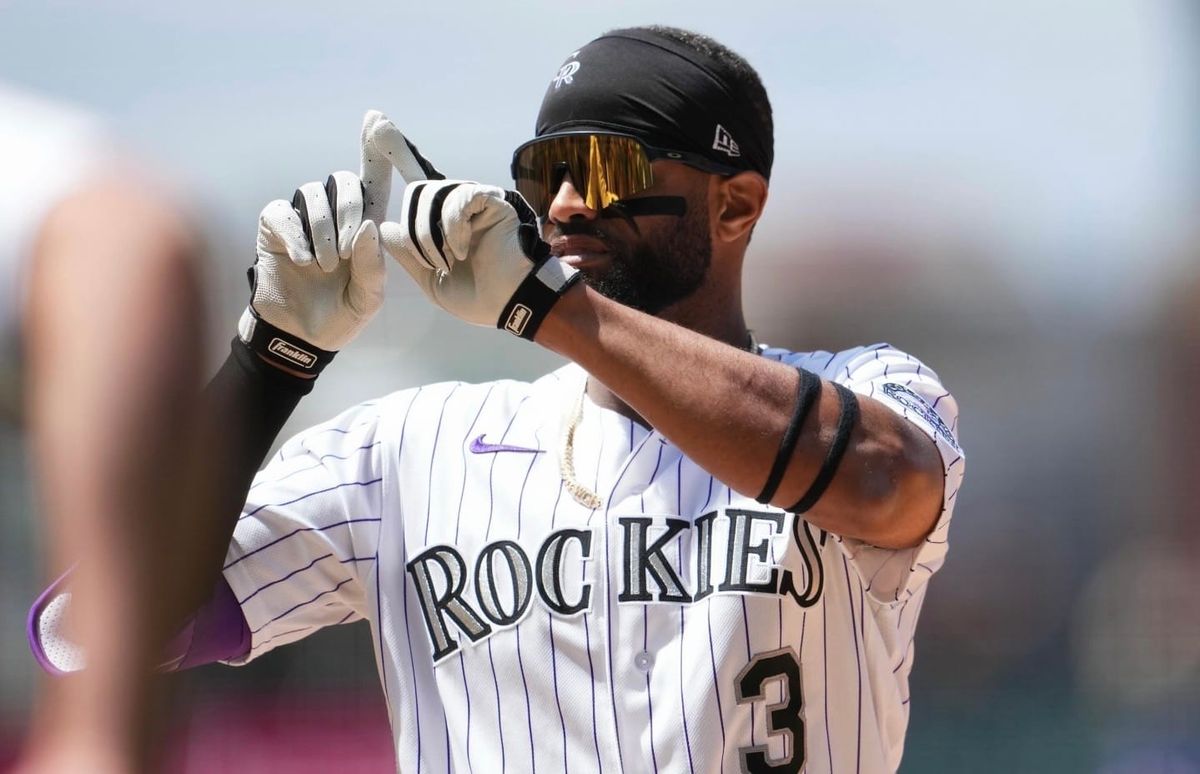
Back in December of 2025, I wrote about whether the Colorado Rockies should sign utility player Willi Castro. (My gosh, we were all so much younger then.)
Here’s a passage from that article:
According to FanGraphs, he has played every defensive position except catcher and first base, though he’s spent the most time at SS, 2B, and 3B. (FWIW, he’s a below-average defender.) DePodesta’s comment suggests the Rockies are also in the market for a free-agent 1B. Castro is versatile, but first base is not a significant part of his portfolio, so he would not address that issue.
Since signing a two-years, $12.8 million contract with the Rockies, Castro has seen significant playing time. Given that the season is, roughly, one-third over, it’s worth taking a minute to consider what Castro has accomplished and if he might be having the kind of season that would make him an attractive trade target for other teams.
Offensive stats
Let’s start with his offensive numbers — and as a reminder, Castro is a switch hitter, so there’s a bit more information to work with.
So far, Castro has appeared in 46 games and has 167 plate appearances with a slashline of .257/.317/.349 (77 wRC+). Add to that Castro’s two home runs and three stolen bases. He is currently worth 0.2 fWAR, which ties him for fifth in terms of Rockies position players. However, none of those stats is especially remarkable among Rockies players.
Of his at-bats, 105 have been as a left-handed hitter facing a righty pitcher, and for those ABs, he has a 65 wRC+ and a K% of 31.4%. In addition Castro has 46 ABs as a right-handed hitter facing a lefty pitcher, and there he has a 112 wRC+ and a K% of 27.1%. So he is significantly better from the right side of the plate.
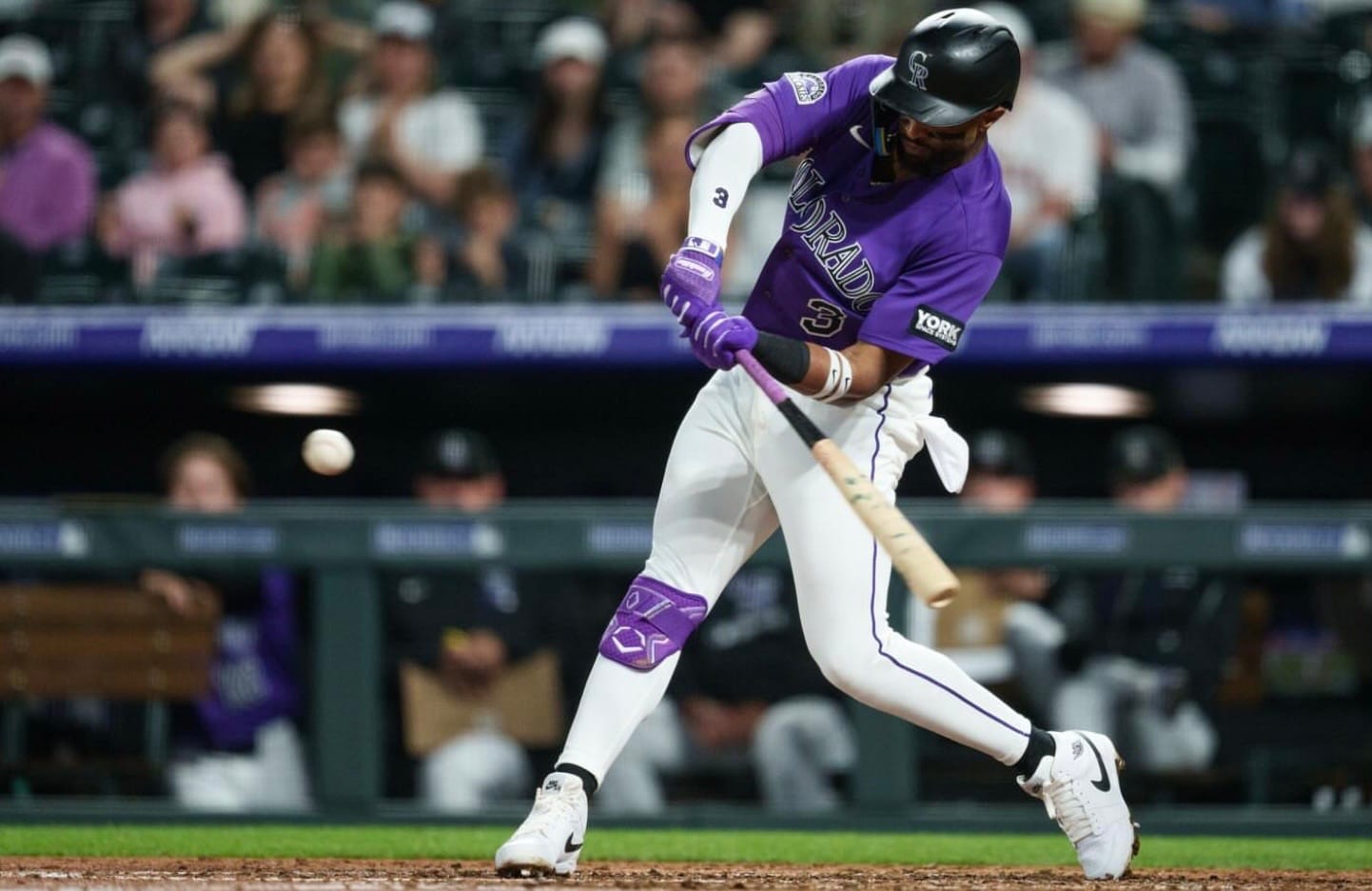
Now consider his placement in the lineup because if there’s been a managing hallmark of Warren Schaeffer this season, it’s been his dynamic approach to roster construction. Castro is best when batting first (18 ABs/169 wRC+) or sixth (53 ABs/143 wRC+). He’s worst when batting second (23 ABs/4 wRC+) or seventh (25 ABs—5 wRC+). The numbers suggest the Rockies front office is aware of this and tries to put Castro in places where he is more likely to have success.
Let’s not forget the Coors Effect because, as it turns out, playing at elevation affects Castro, too. His home wRC+ is 107, slightly above replacement level, while his road wRC+ is 55. So Castro’s numbers are significantly improved in Colorado. And his worst hitting scenario? On the road batting left handed against a RHP — he has a 14 wRC+ in that scenario.
One last note: Month to month, Castro’s numbers remain largely unchanged. In March/April, his wRC+ was 79 while in May, it has been 76, which suggests we are seeing who Willi Castro really is as a hitter.
Defensive stats
Then again, the Rockies didn’t really sign Castro for his bat; rather, they wanted a veteran player who could raise the floor while playing whoever he was needed, and Castro has been effective at doing that.
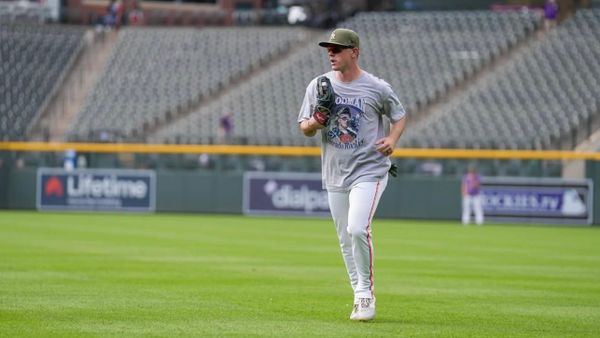
Consider, then, the quality of his defense, which has not been stellar throughout his career. In 2026, the Rockies have used Castro at the following positions:
- 1B (31.0 innings — 1 DRS, 0 OAA, 0 FRB)
- 2B (191.0 innings — 3 DRS, 1 OAA, 2 FRV)
- 3B (73.0 innings – 0 DRS, 1 OAA, 1 FRV)
- SS (52.0 innings — 0 DRS, -1 OAA, -1 FRV)
- LF (4.0 innings – 0 DRS, 0 OAA, 0 FRV)
- CF (1.0 innings — 0 DRS)
There’s nothing too remarkable here: Second base, which is Castro’s natural position, is where he has been most effective defensively. Granted, the season is not yet over, so these numbers will change, but so far, he is having the best defensive year of his career.
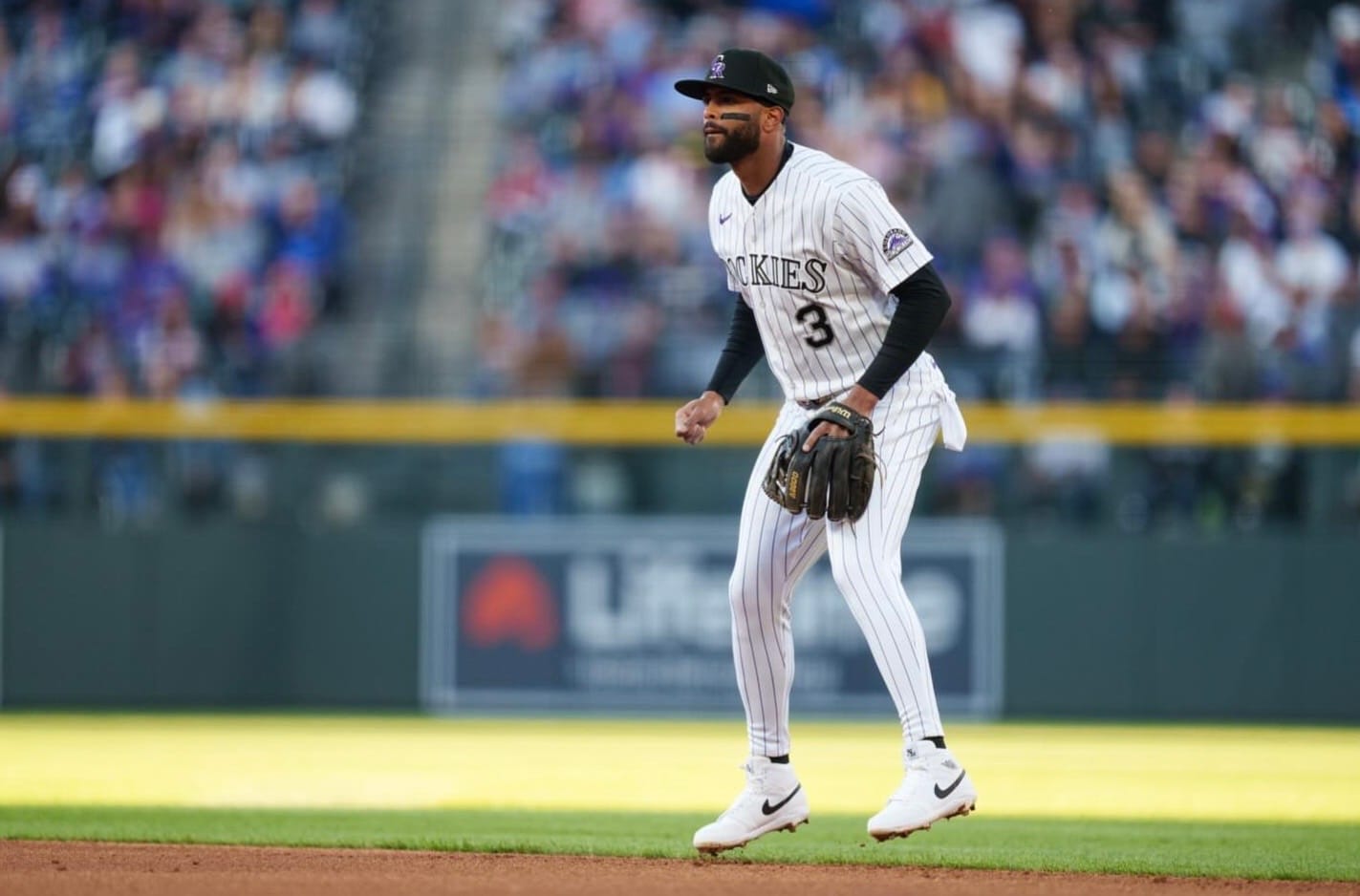
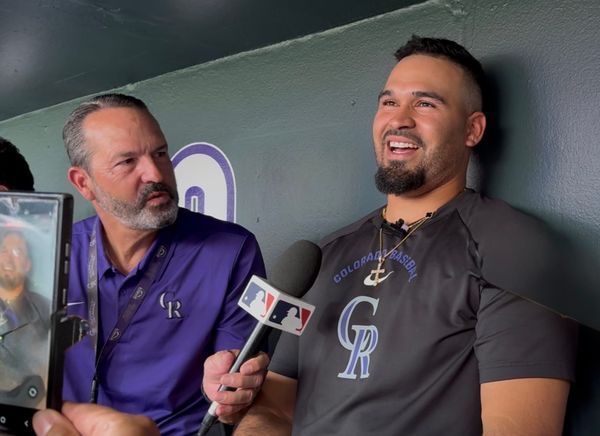
Also, it is not lost on Castro that his utility has been key to his career. As he told me in April, “I think that's what's going to keep me in this game,” he said. “I'm not, per se, I'm not the guy that's going to hit home runs and stuff, but I'm going to do everything other than that, to impact the game.”
Plus, he likes the challenge of being a utility player.
“Not many guys can do the utility role,” Castro said, “and I think it’s a good challenge for me.”
So far, Castro has been a serviceable, if unremarkable, defender, and he’s done what the Rockies needed him to do.
Trade potential
Clearly, it’s too early in the season to know what contending teams will need, but at this point, Castro seems like an unlikely trade candidate. The bat simply isn’t there, and although he’s a switch hitter, that comes with some offensive limitations. But who knows which teams may need a utility player come July?
For the Rockies, however, he’s been a valuable addition, especially during a rebuild, since he has slotted pretty much everywhere — even first baseman, which was not part of his résumé before arriving in Colorado.
President of baseball operations Paul DePodesta wanted to raise the floor, and so far, Willi Castro has done that.
Closing thoughts
That’s it for this week.
After a rocky road trip that saw the Rockies going 1-5 and losing some gut-punch games, they will return to Coors Field for a three-game stand with the struggling San Francisco Giants. Hopefully, they will tally some wins this weekend and figure out what they’re going to do with the starting rotation.
As always, thanks for reading —
Renee
Rockies Pitch is a newsletter that focuses on Colorado Rockies baseball.
Find me on Bluesky at @ReneeDechert.com or send an email to Renee@RockiesPitch.com